How Hoi An Cooking Classes Use Coconut and Fresh Local Ingredients
When people picture Hoi An, they often imagine golden historic houses, colorful lanterns, quiet riverside streets, and bicycles rolling through the countryside. But there is another side of Hoi An that deserves just as much attention: its food.
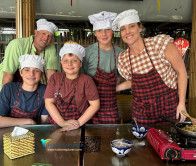
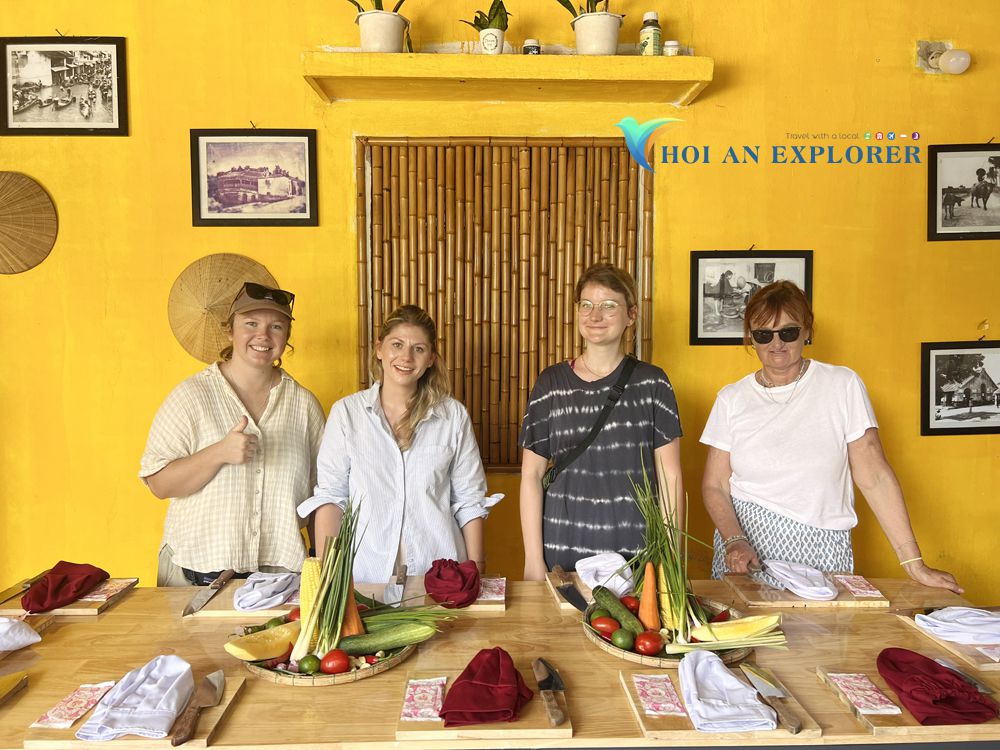
One of the best ways to discover that food culture is through a Hoi An cooking class. Rather than simply sitting down at a restaurant, you get to visit local markets, discover regional ingredients, learn traditional preparation methods, and cook Vietnamese dishes with your own hands.
Among the many ingredients used in the countryside around Hoi An, coconut has a particularly strong connection with local life. From the famous Cam Thanh Bay Mau Coconut Forest to coconut-based drinks, desserts, sauces, and cooking ingredients, the humble coconut is deeply connected to the landscape and culinary traditions of Central Vietnam.
Coconut and Its Place in Hoi An Food Culture
Coconut is much more than a tropical fruit in Vietnam. Different parts of the coconut can be used for cooking, drinks, desserts, handicrafts, and everyday household purposes.
This connection becomes especially clear when you visit Cam Thanh Bay Mau Coconut Forest. The waterways are surrounded by dense water coconut palms, creating the distinctive landscape that has become one of Hoi An’s most popular countryside attractions.
A cooking experience in Cam Thanh can therefore be much more than an hour or two in the kitchen. Depending on the itinerary, you may travel through the coconut forest by traditional basket boat, visit a local garden, meet residents, and learn how ingredients are connected to the surrounding environment.
How Coconut Is Used in Hoi An Cooking Classes
Coconut can appear in Vietnamese cuisine in several different forms. Cooking classes are a great opportunity to see how a familiar tropical ingredient can be transformed into completely different flavors and textures.
Coconut Water for Natural Sweetness
Fresh coconut water can be used in certain Vietnamese braised dishes and sauces to introduce a gentle sweetness and depth of flavor. One classic example is cá kho, a caramelized fish dish that is often cooked slowly with fish sauce, sugar, aromatics, and other ingredients.
When coconut water is incorporated into a suitable recipe, it can provide a naturally sweet base while helping create the rich sauce that develops during slow cooking.
During a cooking lesson, you can see how Vietnamese cooks balance sweet, salty, savory, and aromatic flavors rather than relying on one dominant taste.
Coconut Milk for Creamy Dishes and Desserts
Fresh coconut milk is another versatile ingredient. It can be used in Vietnamese desserts, sweet soups, sticky rice dishes, sauces, and selected savory recipes.
Some cooking experiences demonstrate how grated coconut flesh can be combined with water and strained to produce fresh coconut milk. It is a simple process, but doing it yourself gives you a much better appreciation of how traditional kitchens make the most of local ingredients.
For travelers with a sweet tooth, coconut milk is especially enjoyable when paired with tropical fruits, sticky rice, corn, beans, or sesame.
Fresh Coconut in Vietnamese Desserts
Vietnamese desserts often rely on simple ingredients rather than complicated techniques. Coconut adds fragrance, richness, and a pleasant texture to many of them.
Depending on the cooking class and seasonal menu, you may encounter desserts containing coconut milk, shredded coconut, coconut cream, or toasted coconut. The combination of coconut with ingredients such as banana, corn, sticky rice, or tropical fruit is a delicious reminder of Vietnam’s tropical climate.
Coconut Leaves and the Cam Thanh Experience
The connection between coconut and Hoi An goes beyond the kitchen. In Cam Thanh, water coconut leaves have traditionally been used for practical purposes, while the forest itself has provided an important natural environment for local communities.
This is one reason a countryside cooking experience can feel different from a standard cooking lesson. You are not only learning a recipe; you are seeing where the landscape, agriculture, fishing, and food traditions meet.
Local Ingredients That Make Hoi An Cuisine Special
Coconut may attract attention, but it is only one piece of the culinary story. The real character of Hoi An food comes from the combination of fresh vegetables, aromatic herbs, rice products, seafood, meat, noodles, spices, and sauces.
Fresh Herbs from Tra Que Vegetable Village
Few places demonstrate Hoi An’s agricultural heritage better than Tra Que Vegetable Village. The farming community is well known for growing fragrant herbs and vegetables that are widely used in local cooking.
Depending on the experience, visitors may encounter ingredients such as Vietnamese mint, basil, coriander, lemongrass, perilla, and other seasonal greens.
A Tra Que cooking class allows travelers to experience this connection firsthand. Instead of seeing herbs only as something placed on a plate, you can learn where they come from and how Vietnamese cooks use them to create fresh, balanced flavors.
Rice: The Foundation of Vietnamese Cuisine
Rice is at the heart of Vietnamese food culture. It appears in countless forms, from steamed rice and rice noodles to rice paper, pancakes, dumplings, and sticky rice desserts.
In a Hoi An cooking class, you may learn how rice products are combined with fresh herbs, vegetables, meat, shrimp, or dipping sauces to create familiar Vietnamese dishes.
One popular example is bánh xèo, a crispy Vietnamese savory pancake typically filled with ingredients such as shrimp, pork, and bean sprouts. It becomes even more enjoyable when wrapped with fresh herbs and dipped into a well-balanced Vietnamese sauce.
Fresh Seafood from Hoi An’s Rivers and Coast
Hoi An’s location near the Thu Bon River and the coast naturally gives seafood an important place in local cuisine.
Depending on the menu and season, cooking classes may introduce travelers to shrimp, fish, squid, crab, or other locally available seafood. Learning how to clean, season, and cook fresh seafood can be particularly rewarding because Vietnamese recipes often rely on relatively simple preparation to let the main ingredients shine.
Vietnamese Spices and Aromatic Ingredients
The secret behind many Vietnamese dishes is not an overwhelming amount of seasoning but the balance between several aromatic ingredients.
Garlic, shallots, chili, black pepper, lemongrass, turmeric, ginger, fish sauce, and fresh herbs can all contribute different layers of flavor.
A good cooking class teaches you how these ingredients work together. You begin to understand why Vietnamese food can taste simultaneously fresh, salty, sweet, sour, spicy, and deeply savory.
A Hoi An Cooking Class Is More Than a Kitchen Lesson
One of the biggest advantages of joining a local cooking experience is that the lesson often starts long before you enter the kitchen.
You might begin at a traditional market, where your guide introduces seasonal vegetables, seafood, spices, noodles, herbs, and other ingredients. From there, the experience may continue into the countryside, perhaps through the coconut waterways of Cam Thanh or the vegetable gardens of Tra Que.
This approach gives travelers a better understanding of Vietnamese food from its source to the finished dish.
What Can You Experience During a Hoi An Cooking Class?
- Visit a local market: Learn how Vietnamese families select fresh vegetables, herbs, seafood, meat, noodles, and spices.
- Explore the countryside: Discover the agricultural landscape surrounding Hoi An rather than staying only in the Ancient Town.
- Visit a coconut forest: Some Cam Thanh experiences include a traditional basket boat ride through the Bay Mau coconut waterways.
- Harvest fresh ingredients: Depending on the itinerary, you may pick herbs and vegetables directly from a local garden.
- Learn traditional techniques: Practice chopping, seasoning, wrapping, mixing, grilling, steaming, and stir-frying.
- Cook with local ingredients: Discover how everyday Vietnamese ingredients become complete dishes.
- Eat what you prepare: The best part of the lesson is sitting down and enjoying your freshly cooked meal.
Try a Cam Thanh Cooking Class for a Countryside Experience
If you want to combine food with nature, a Cam Thanh cooking class is a particularly enjoyable choice.
Cam Thanh is known for its waterways, water coconut forest, fishing traditions, and peaceful rural atmosphere. A cooking experience here can introduce you to a very different side of Hoi An.
Rather than moving directly from a hotel to a classroom, you may find yourself traveling through the countryside, watching local fishing activities, exploring gardens, and learning about ingredients before preparing your meal.
For families and first-time visitors, this combination of sightseeing and hands-on cooking can be one of the most memorable ways to spend a morning or afternoon outside the Ancient Town.
Try a Hoi An Vegetarian Cooking Class
Travelers who prefer plant-based food do not have to miss out on the experience. A Hoi An Vegetarian Cooking Class can introduce you to Vietnamese recipes centered around vegetables, herbs, tofu, mushrooms, rice, noodles, and other plant-based ingredients.
This is also a great way to discover how much flavor Vietnamese cooking can create without depending heavily on meat. Fresh herbs, aromatics, roasted peanuts, chili, lime, and carefully prepared sauces can make even simple vegetable dishes surprisingly satisfying.
Combine Cooking with a Hoi An Farming Tour
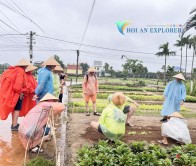
If you are interested in the origins of Vietnamese food, consider adding a Hoi An farming tour to your itinerary.
Farming has shaped everyday life around Hoi An for generations. Visiting local gardens and agricultural areas allows you to see how vegetables and herbs are cultivated and why fresh produce is such an important part of the regional diet.
For a more unusual countryside adventure, the Hoi An Buffalo Riding – Wet Rice Tour and Cooking Class combines traditional farming activities with food preparation.
It is a fun option for travelers who want their Hoi An experience to be active, cultural, and a little different from the usual sightseeing itinerary.
Learn More About Vietnamese Coffee
Coffee may not grow directly in Hoi An, but Vietnam’s coffee culture is an essential part of the country’s modern food scene.
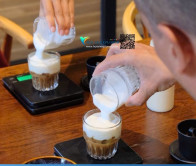
If you love Vietnamese coffee, consider adding a Hoi An coffee class to your culinary itinerary.
It offers an opportunity to learn more about Vietnamese coffee preparation and enjoy the drink in a more meaningful way. For many visitors, discovering the difference between simply ordering a cà phê and actually understanding how Vietnamese coffee is prepared becomes an unexpected highlight of their trip.
Dishes You May Discover in a Hoi An Cooking Class
Every cooking school has its own menu, so dishes vary. However, Hoi An and Central Vietnam provide plenty of inspiration for hands-on culinary experiences.
Cá Kho with Coconut Water
Slow-cooked fish with a caramelized sauce is a wonderful example of how Vietnamese cuisine balances savory and sweet flavors. When coconut water is used as part of the recipe, it can contribute a subtle sweetness while the fish slowly absorbs the flavors of caramel, fish sauce, pepper, and aromatics.
Bánh Xèo with Fresh Herbs
Crispy bánh xèo is one of those dishes that becomes especially enjoyable when you prepare it yourself. The pancake is cooked until golden and crisp, then paired with fresh herbs and dipping sauce.
The contrast between the crunchy pancake, tender filling, fragrant herbs, and savory sauce captures the fresh and balanced character of Vietnamese cuisine.
Fresh Vietnamese Spring Rolls
Gỏi cuốn, or fresh spring rolls, are another excellent cooking-class dish. Rice paper is filled with combinations of vermicelli, vegetables, herbs, shrimp, pork, tofu, or other ingredients before being rolled by hand.
The beauty of this dish is its flexibility. Fresh herbs and vegetables do most of the work, while the dipping sauce brings everything together.
Coconut-Based Vietnamese Desserts
For dessert, coconut is a natural partner for sticky rice, corn, beans, banana, mango, sesame, and other tropical ingredients.
These desserts tend to be simple but comforting, demonstrating an important principle of Vietnamese cooking: fresh ingredients do not need complicated preparation to taste wonderful.
Why Hoi An Cooking Classes Are So Popular with Travelers
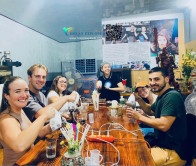
A cooking class gives you something a restaurant cannot always provide: participation.
You do not simply taste a dish. You discover its ingredients, prepare them, cook them, and finally sit down to enjoy the result. Along the way, local instructors can explain traditions, farming practices, family recipes, and the relationship between food and everyday Vietnamese life.
That makes the experience particularly memorable for travelers who want to take home more than photographs.
Fresh Ingredients from Local Sources
Fresh herbs, vegetables, seafood, rice products, spices, and seasonal produce form the foundation of many cooking experiences in Hoi An.
Traditional Recipes and Techniques
Instead of relying only on written recipes, instructors can demonstrate practical techniques that have been used in Vietnamese kitchens for generations.
A Connection Between Food and Place
Exploring Cam Thanh, Tra Que, local markets, or rural gardens before cooking helps explain why Hoi An food tastes the way it does.
Suitable for Different Skill Levels
You do not need to be an experienced cook. Most cooking classes are designed to be approachable, with instructors demonstrating each step before guests try it themselves.
Make Your Hoi An Culinary Journey More Memorable
The best Hoi An food experiences are not necessarily found in the most complicated dishes. Sometimes they are hidden in the ingredients themselves: a handful of fresh herbs from Tra Que, a ripe coconut, locally caught shrimp, fragrant lemongrass, freshly made rice paper, or a simple bowl of noodles prepared with care.
That is why joining a Hoi An cooking class can be such a rewarding part of your Vietnam trip. It brings together the countryside, local markets, traditional agriculture, Vietnamese hospitality, and the flavors that make Central Vietnam so memorable.
For an even richer experience, combine your cooking lesson with a Tra Que cooking class, a Hoi An farming tour, or a countryside adventure around Cam Thanh.
And if you are celebrating a birthday, anniversary, reunion, or simply want to enjoy Hoi An from the water, a Hoi An wooden boat party tour can add a memorable evening to your culinary adventure.
Final Thoughts: Taste Hoi An Through Its Local Ingredients
Hoi An cooking classes are much more than demonstrations of Vietnamese recipes. They offer a chance to understand the relationship between the food on your plate and the landscape around you.
Coconut from the waterways of Cam Thanh, aromatic herbs from Tra Que, fresh seafood from the coast and rivers, locally grown vegetables, rice, spices, and traditional sauces all contribute to the distinctive character of Hoi An cuisine.
The experience becomes even more meaningful when you are the one preparing the ingredients, standing beside a local cook, learning the techniques, and eventually tasting the meal you helped create.
So, when planning your next trip to Hoi An, leave some room in your itinerary for food beyond the restaurant table. Step into a local kitchen, explore the countryside, meet the people who grow the ingredients, and discover how a simple coconut and a handful of fresh herbs can tell a much bigger story about Vietnamese culture.