How to Preserve Hoi An Calligraphy for a Lifetime – Simple Ways to Protect Your Artwork
Vietnamese calligraphy is more than beautiful writing on paper. Each brushstroke carries artistic character, cultural meaning, and a connection to traditional Vietnamese life. If you have brought home a piece of Hoi An calligraphy as a travel souvenir, received a personalized artwork from a local calligrapher, or inherited an older piece from your family, proper care can help protect it for many years.
Traditional calligraphy can be surprisingly delicate. Paper responds to moisture, sunlight, temperature changes, dust, and careless handling, while ink may gradually fade when exposed to unsuitable conditions. Fortunately, you do not need a complicated conservation system to give your artwork a better chance of lasting for generations.
From choosing the right frame to creating a digital backup, here are practical ways to preserve calligraphy for a lifetime.
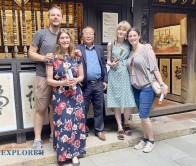
See more details >>> The calligraphy class in Hoi An attracts international tourists.
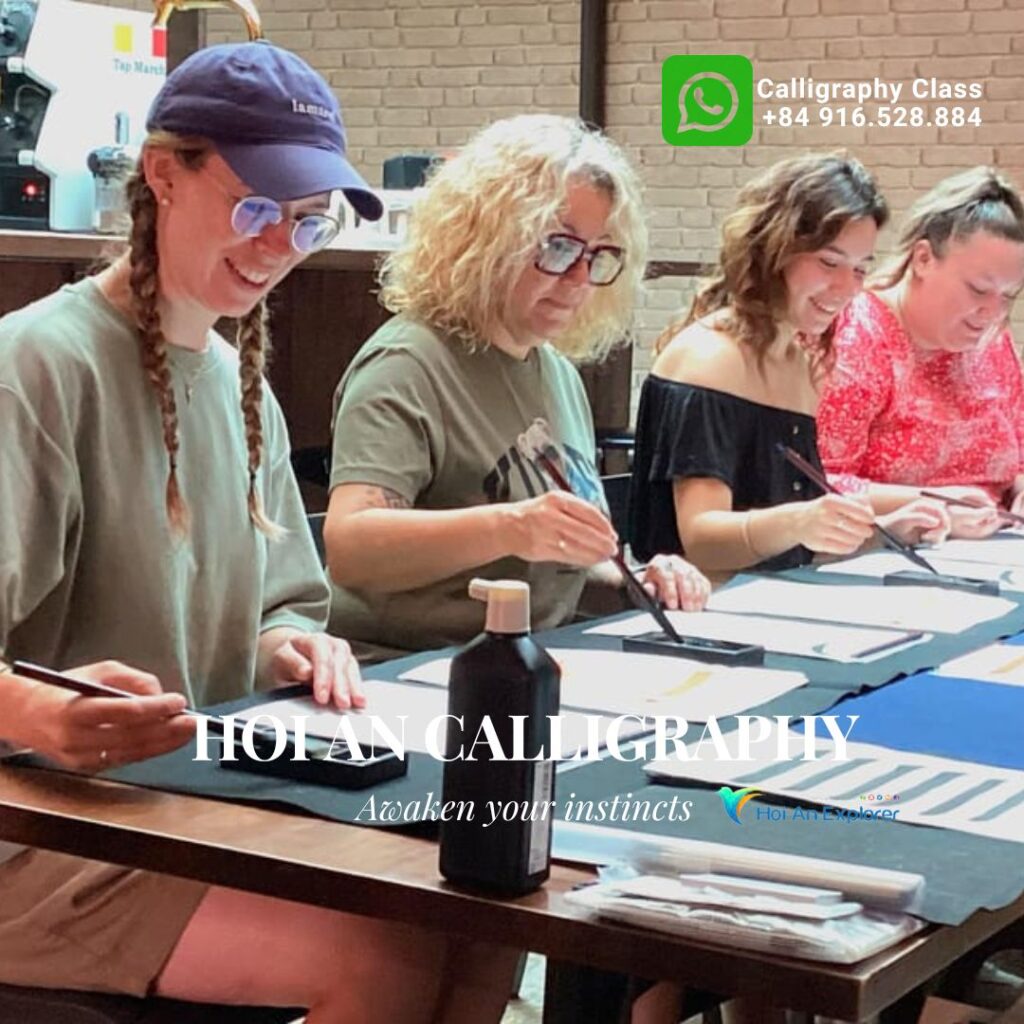
See more details >>> Experience Hoi An Calligraphy Class And Workshop At The Old Town.
Why Calligraphy Needs Special Care
Paper and ink naturally change as they age. Humidity can cause paper to expand, ripple, or develop mold, while excessive dryness may make older paper more fragile. Strong sunlight can gradually fade pigments and ink, and poor-quality framing materials may contribute to discoloration.
These risks are especially important for handmade Vietnamese calligraphy because the artwork may be created on traditional paper or other delicate materials. A little prevention goes a long way when the goal is to keep the original appearance and character of the piece.
Choose an Archival-Quality Frame
If you plan to display your calligraphy, a good frame is one of the simplest ways to provide protection. However, not every frame is equally suitable for artwork.
Use Acid-Free Matting
Choose an acid-free or archival-quality mat whenever possible. Ordinary paper-based materials can contain acids that contribute to yellowing and deterioration over time. Archival materials are designed to reduce these risks.
Consider UV-Protective Glazing
Light is one of the major enemies of artwork. If your calligraphy is valuable or particularly meaningful, consider museum-quality glass or UV-filtering acrylic to reduce exposure to harmful ultraviolet radiation.
Keep the Artwork Away from the Glass
The calligraphy should not be pressed directly against the glazing. A properly designed frame or mat creates a small gap between the artwork and the glass, helping reduce the risk of condensation and physical contact.
This is particularly useful in humid destinations such as Hoi An, where moisture levels can change considerably throughout the year.
Protect Calligraphy from Sunlight
One of the easiest mistakes is displaying beautiful calligraphy in a location where direct sunlight reaches it every day. The artwork may look fine at first, but prolonged exposure can gradually affect the appearance of the ink and paper.
Try to display your artwork away from windows with strong direct sunlight. A room with soft, indirect natural light is generally a better choice.
If you want to enjoy the artwork while minimizing exposure, consider rotating your display pieces. Keep especially delicate or valuable works in controlled storage and display them only occasionally.
Control Humidity and Temperature
Humidity is particularly important when caring for Vietnamese paper artwork. Excess moisture can encourage mold growth, cause paper to warp, and affect the appearance of ink. Large and frequent changes in humidity can also put stress on paper and other organic materials.
For valuable artwork, maintaining a relatively stable indoor environment is more important than constantly trying to achieve one perfect number. Avoid storing calligraphy in bathrooms, damp storage rooms, kitchens, or areas vulnerable to leaks.
Ideal Storage Conditions
- Choose a cool, dry, stable indoor environment.
- Avoid direct sunlight and strong heat sources.
- Keep artwork away from air-conditioner or dehumidifier exhaust.
- Do not place artwork directly against damp walls.
- Monitor humidity if you are storing particularly valuable or antique pieces.
For important antique or highly valuable calligraphy, professional conservation advice is preferable to relying on household storage alone.
Store Unframed Calligraphy with Archival Materials
Not every calligraphy piece needs to be framed. If you prefer to store the original safely and display it only occasionally, use appropriate archival materials.
Use Acid-Free Folders or Sleeves
Archival folders and protective sleeves can help shield paper from dust, fingerprints, and unnecessary handling. Make sure the material is intended for long-term artwork or document storage.
Separate Individual Pieces
If you own several calligraphy works, avoid stacking them directly on top of one another. Acid-free tissue or other suitable archival interleaving material can help prevent surfaces from rubbing together and reduce the possibility of ink transfer.
Avoid Ordinary Plastic
Some household plastic bags and covers can trap moisture around paper. Instead of wrapping valuable calligraphy in whatever plastic is available, choose archival-quality storage products designed for artwork.
Handle Your Calligraphy Carefully
Even perfectly stored calligraphy can be damaged in seconds through careless handling. Paper can crease, tear, or become stained surprisingly easily.
Clean Your Hands First
Before handling the artwork, wash and thoroughly dry your hands. Avoid touching the image area unnecessarily, especially if the paper is delicate or the ink is vulnerable to smudging.
Support the Entire Sheet
When moving an unframed piece, support it with both hands rather than holding one corner. For larger works, use a clean, flat surface whenever possible.
Be Careful with Gloves
Gloves are sometimes useful for handling certain historic materials, but they can also reduce your grip and make fragile paper easier to drop. For valuable or antique calligraphy, ask a professional conservator about the safest handling method rather than assuming gloves are always better.
Keep Food, Drinks, and Smoke Away from the Artwork
Calligraphy should be displayed away from areas where food, drinks, smoke, grease, or cooking vapors are common. Even when nothing is accidentally spilled, airborne particles can gradually settle on the artwork and frame.
This is particularly relevant if you display a calligraphy souvenir in a restaurant, café, kitchen, or busy commercial space. A clean living area or dedicated display wall is generally a safer environment.
Clean the Frame, Not the Artwork
Dusting the frame and glazing is a simple maintenance habit, but be careful not to apply household cleaning products directly to the calligraphy.
- Use a soft, clean cloth to remove dust from the frame.
- Clean glazing carefully without allowing liquid to reach the artwork.
- Never spray glass cleaner directly toward the paper.
- Do not use water, alcohol, or household chemicals on the calligraphy itself.
- If the artwork itself is dusty or stained, consult a professional conservator.
Attempting to clean old paper yourself can sometimes cause more damage than the original problem.
Inspect Your Calligraphy Regularly
Preservation is easier when you notice problems early. Take a few minutes every few months to examine your artwork and its surroundings.
Look for These Warning Signs
- Yellowing or unusual discoloration
- New wrinkles or warping
- Faded or changing ink
- Small dark spots that may indicate mold
- Loose or damaged frame components
- Condensation inside the frame
- Signs of insects or paper damage
If you notice mold, water damage, severe discoloration, or damage to an antique piece, avoid aggressive cleaning and seek professional conservation advice.
Create a High-Quality Digital Copy
Digital preservation cannot replace the original artwork, but it provides an important backup. If the physical piece is damaged, lost, or deteriorates with age, a high-resolution photograph or scan can preserve its appearance and details.
Photograph the Artwork in Good Light
For larger calligraphy that cannot be scanned, photograph it in even, indirect lighting. Keep the camera parallel to the artwork to reduce distortion and capture the full piece at a high resolution.
Keep More Than One Backup
Save the digital version in more than one location. For example, you might keep a copy on an external drive and another in reliable cloud storage.
It is also useful to record information about the artwork, including the artist’s name, the date and place it was acquired, the meaning of the characters, and any story associated with the piece.
Consider Professional Conservation for Valuable Calligraphy
If your calligraphy is antique, historically important, signed by a recognized artist, or especially valuable to your family, professional conservation is worth considering.
A qualified paper conservator can assess the condition of the artwork and recommend suitable framing, storage, cleaning, or repair methods. This is especially important if the paper has already suffered from water damage, mold, tears, severe staining, or ink deterioration.
DIY repairs such as glue, tape, bleaching, ironing, or aggressive cleaning can permanently alter historic paper and should generally be avoided.
How to Preserve a Hoi An Calligraphy Souvenir After Your Trip
If you have purchased a handwritten calligraphy piece during your Hoi An holiday, preservation actually begins before you get home.
- Keep it flat whenever possible: Avoid folding a valuable piece simply to fit it into luggage.
- Protect it during transportation: Use a rigid folder or suitable protective packaging.
- Keep it away from moisture: Do not leave it inside a damp suitcase or vehicle for long periods.
- Let it acclimatize: After arriving home, allow the artwork to adjust gradually to the indoor environment.
- Frame or archive it properly: Decide whether it will be displayed or stored for long-term protection.
- Create a digital backup: Photograph the artwork and record its story while the details are fresh.
A little extra care during the journey can prevent unnecessary creases, stains, and moisture damage.
Preservation Checklist for Vietnamese Calligraphy
| Protection Step | Why It Matters |
|---|---|
| Use archival framing materials | Helps reduce long-term paper deterioration |
| Limit direct sunlight | Helps protect ink and paper from fading |
| Maintain stable humidity | Reduces warping and mold risks |
| Handle with clean hands | Helps prevent stains and physical damage |
| Store with archival materials | Provides long-term protection when unframed |
| Inspect periodically | Allows problems to be identified early |
| Create a digital backup | Preserves a visual record of the original |
| Consult a conservator when necessary | Prevents accidental damage to valuable artwork |
Experience the Art Before Taking It Home
One of the most memorable ways to appreciate Vietnamese calligraphy is to see the creative process rather than simply purchase a finished piece. In Hoi An, visitors can discover how a traditional brush, ink, paper, and carefully chosen words come together to create a personal work of art.
A Hoi An calligraphy class and workshop offers an opportunity to learn more about the art while experiencing the cultural meaning behind Vietnamese characters. A handmade piece created during or after such an experience can become much more than a souvenir—it can be a reminder of your time in the ancient town.
You can also combine the experience with other cultural activities. A Hoi An cooking class introduces travelers to Vietnamese culinary traditions, while a Tra Que cooking class connects food with the farming heritage of the countryside.
See More Details >>> Experience Hoi An Calligraphy Class and Workshop
For travelers who want to discover the cultural story behind the artwork, Experience Hoi An Calligraphy Class and Workshop at the Old Town is a memorable way to explore this traditional Vietnamese art.
Learning how each brushstroke is formed can also change the way you look at the finished artwork. Instead of seeing only a beautiful character, you begin to appreciate the patience, movement, symbolism, and cultural heritage behind it.
Give Your Hoi An Calligraphy a Long Life
A piece of calligraphy may be small enough to fit into a suitcase, but its cultural and personal value can last much longer than a typical holiday souvenir. With sensible framing, careful storage, protection from sunlight and moisture, gentle handling, and regular inspection, you can greatly reduce the everyday risks that affect paper artwork.
For particularly valuable or historic pieces, professional conservation is the safest option. For a personal Hoi An calligraphy souvenir, however, simple habits such as keeping it dry, away from direct sunlight, and protected with archival materials can make a meaningful difference.
Most importantly, preserve the story along with the artwork. Remember who created it, where you found it, what the Vietnamese characters mean, and why you chose them. When carefully protected, your calligraphy can remain not only a beautiful piece of Vietnamese art but also a lasting memory of Hoi An.


YOU MAY LIKE IT

Hoi An Calligraphy Class by Master Dong Huynh – A Cultural Experience for International Travelers
When traveling through Hoi An, many visitors look beyond the lantern-lit streets and historic architecture for experiences that bring them closer to Vietnamese culture. A Hoi An calligraphy...